Project · Beehives for Children
Beehives for Children
Free thermosolar hives for schools, clubs and centres across the Czech Republic. Chemical-free beekeeping that teaches children more than any textbook.
Our goal
To make protecting nature second nature
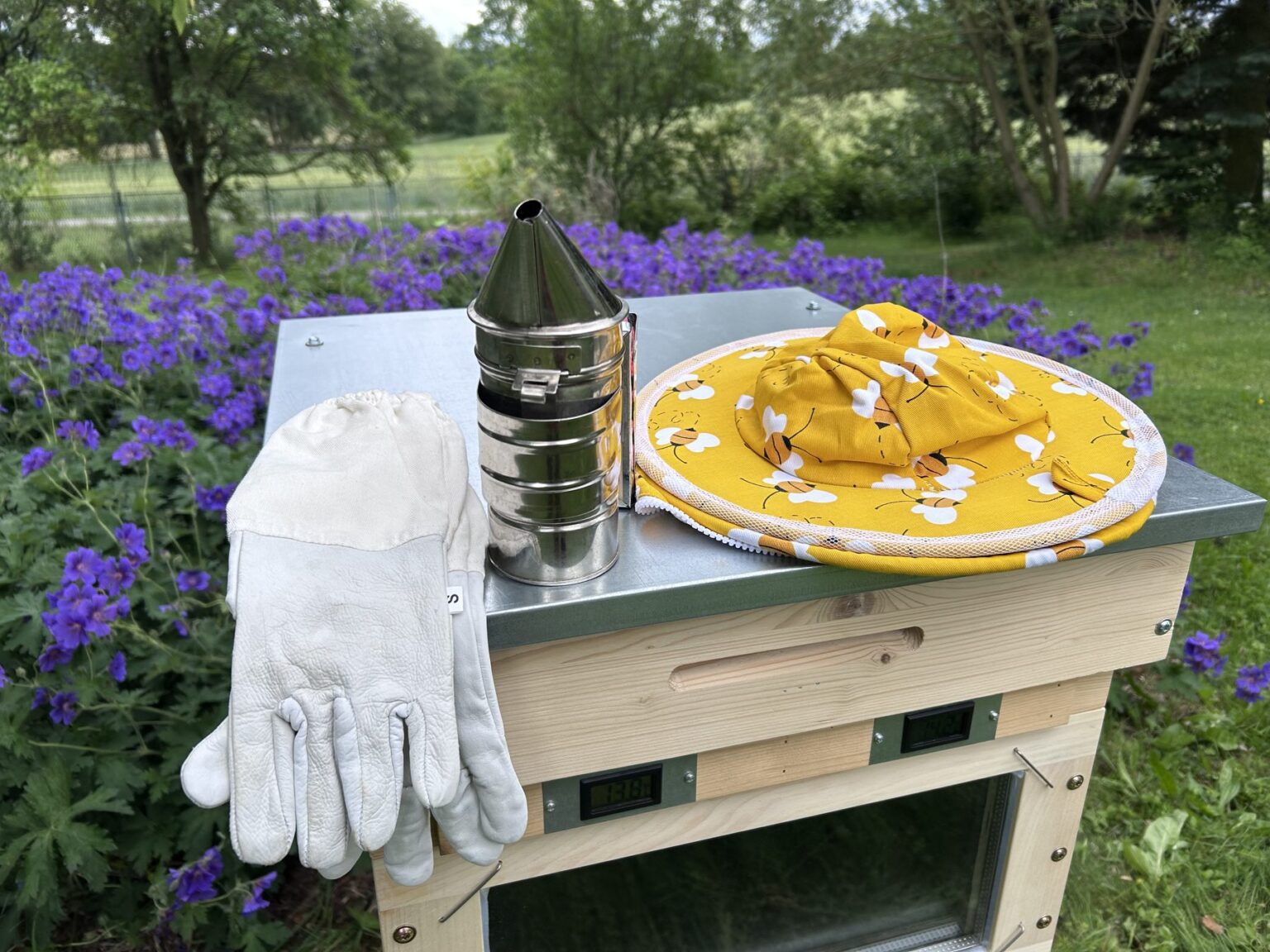
We will buy thermosolar hives and give them free of charge to beekeeping clubs, schools and educational centres. This removes the financial barrier – and also the harsh chemicals that conventional hives need several times a year.
Children can then keep bees safely, healthily and with modern technology.
“No one will care about what they have never experienced.”— a thought by Sir David Attenborough
What it brings
For children and for us adults
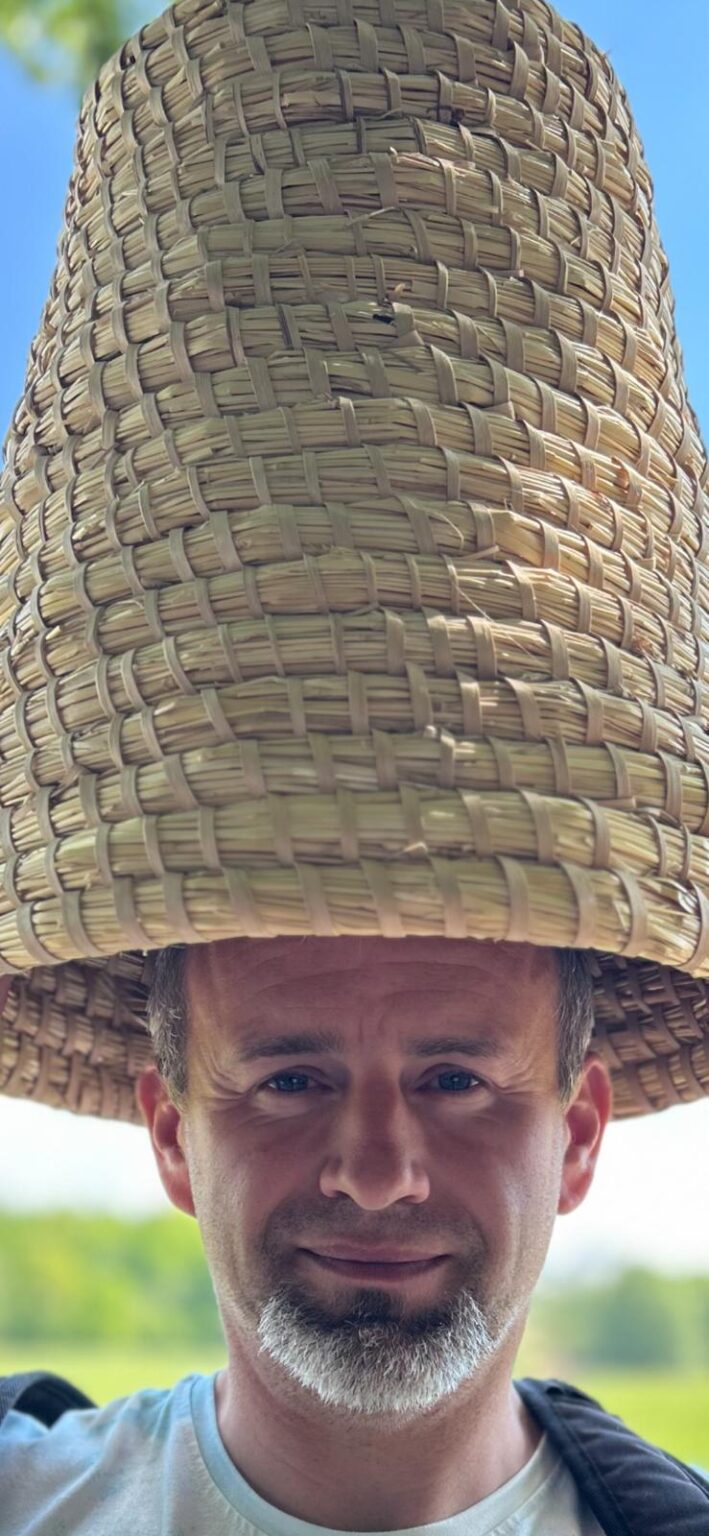
A hive in the school garden is not just a teaching aid. It is a shared project that brings together children, teachers, parents and beekeepers.
An experience that shapes their relationship with nature
- Relationship with natureThey will understand pollination, the ecosystem and why every bee matters.
- Calm and focusWorking with bees teaches patience. It also helps children with attention disorders or autism.
- Responsibility and teamworkThey look after the colony together, all year round.
- EntrepreneurshipTheir own school honey: label, price, sales at school events.
A ready-made teaching tool and healthier surroundings
- For teachersA ready-made tool for project-based and inquiry-based learning outdoors.
- Safe and chemical-freeBeekeeping that is safe for children, pregnant women and nature.
- Connecting generationsExperienced beekeepers and grandparents pass their knowledge on to children.
- A healthier landscapeStrong colonies without chemicals = more pollinators around schools.
The STEM method
The hive as a living laboratory
STEM connects science, technology, engineering and mathematics. Instead of abstract examples, children work with a real colony and real data.
Life of the colony
The roles of the queen and workers, pollination, brood development, the Varroa parasite and how to beat it without chemicals.
Sensors and data
Digital thermometers in the brood, a hive scale, recording and evaluating measurements on a computer.
The power of the sun
How the thermosolar ceiling captures solar energy, why the hive faces south and how the temperature is controlled.
Counting with honey
Graphs of nectar flow and temperatures, averages, statistics, the cost of a hive and calculating the price of school honey.
From the life of the colony
What children will see with their own eyes
Short clips from our apiary. This is exactly the kind of lesson no textbook can replace.
In lessons
Where the hive can be used in teaching
One hive can involve almost the entire timetable – from first to ninth grade and in after-school clubs.
Why a thermosolar hive
A Czech invention that heals with the sun
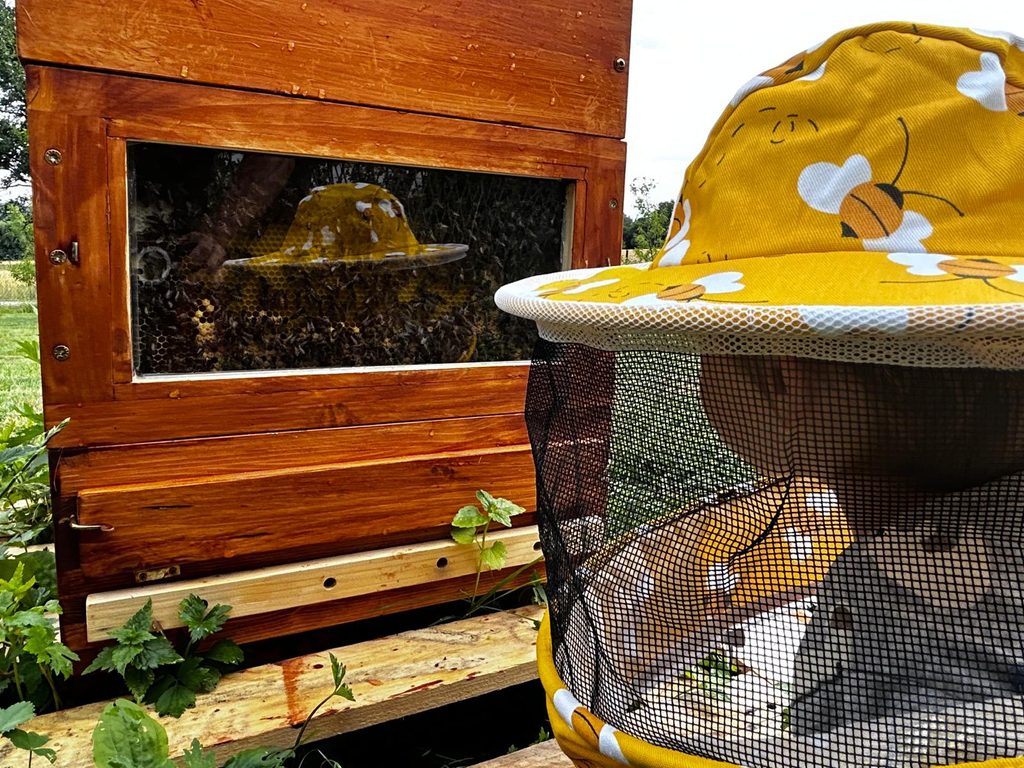
- A hive and a treatment device in oneThe thermosolar ceiling captures solar energy.
- Heat instead of chemicalsThe brood is warmed to 42–43 °C – the Varroa mite does not survive, the bees do.
- Safe for childrenNo medicines, no fumes, pure honey.
From our apiary
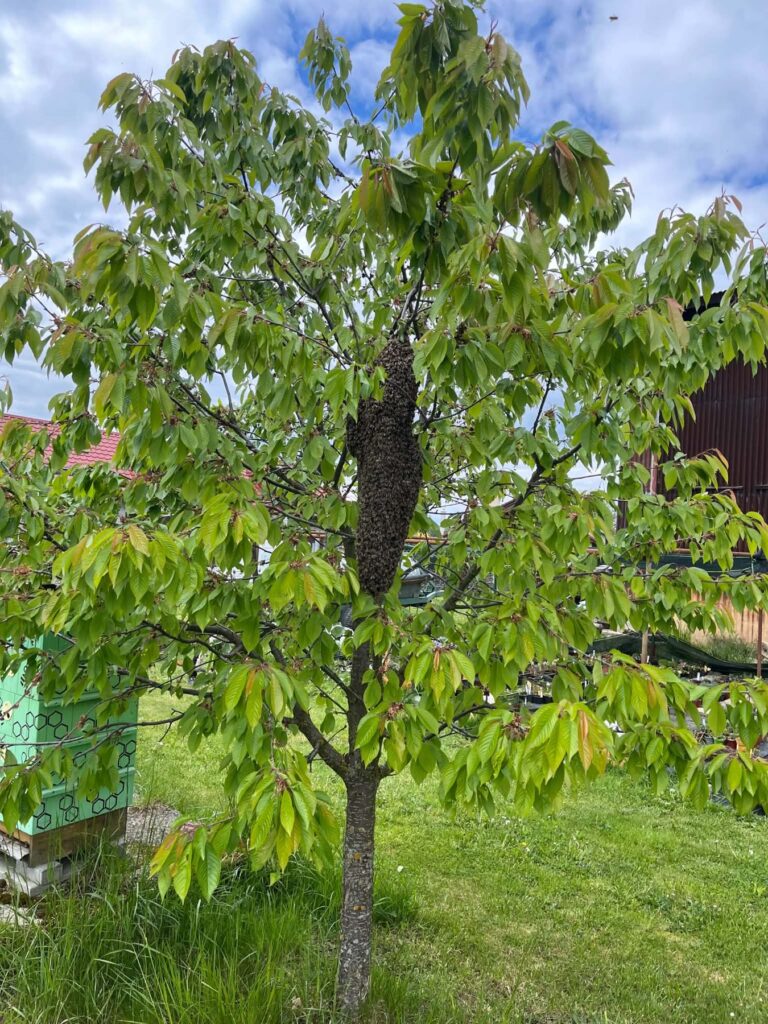
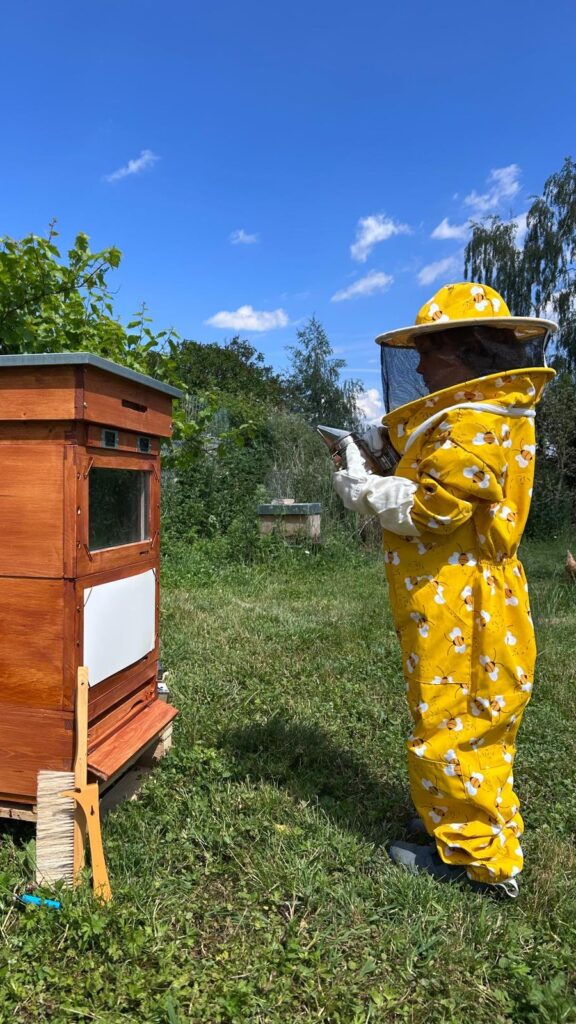
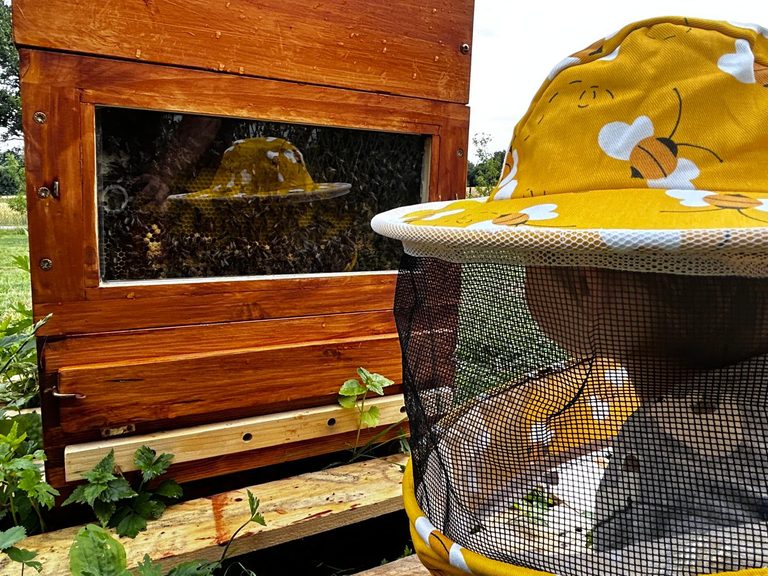
Real bees, real nature

Get involved
For schools, clubs and parents
Would you like a hive for your school or club?
Write us a few lines about your school or centre, how many children would take part and whether you have a beekeeper who can help you.
Join the community
Parents, grandparents, beekeepers and nature lovers – follow where the next hives are going and share our initiative.
Support the project
Help us bring hives to children
Every contribution brings another hive closer to a school or club. You can donate by card via Donio or by bank transfer to our transparent account.